Harnessing Biophilic Design to Transform Spaces and Elevate Brand Experiences with Geodesic Domes
- Aurelien SAMIE
- Feb 6
- 4 min read

Creating memorable spaces that connect people with nature is no longer a luxury but a necessity. As brands, hotels, restaurants, and wellness centers seek to offer unique experiences, biophilic design emerges as a powerful approach to transform environments and deepen emotional engagement. When combined with the innovative structure of geodesic domes, biophilic design unlocks new possibilities for immersive, sustainable, and inspiring spaces.
This article explores how biophilic design enhances spatial experiences and how geodesic domes serve as an ideal canvas for this approach. Whether you are a brand manager, hospitality professional, or wellness entrepreneur, you will find practical insights and examples to help you create spaces that resonate deeply with your audience.

What Is Biophilic Design and Why It Matters
Biophilic design is the practice of incorporating natural elements into built environments to foster a connection between people and nature. This connection supports well-being, creativity, and comfort. Research shows that spaces with natural light, greenery, water features, and organic materials reduce stress and improve mood.
For brands and hospitality venues, biophilic design offers more than aesthetics. It creates environments where visitors feel relaxed and engaged, encouraging longer stays and positive associations. For wellness centers, it supports healing and mindfulness by bringing nature indoors.
Key elements of biophilic design include:
Natural light and views of nature
Use of plants and greenery
Organic shapes and materials like wood and stone
Water features or sounds
Airflow and natural ventilation
Integrating these elements thoughtfully can transform any space into a sanctuary that nurtures both body and mind.
Why Geodesic Domes Are Perfect for Biophilic Design
Geodesic domes are spherical structures inspired by Nature. Their unique shape offers several advantages for biophilic design:
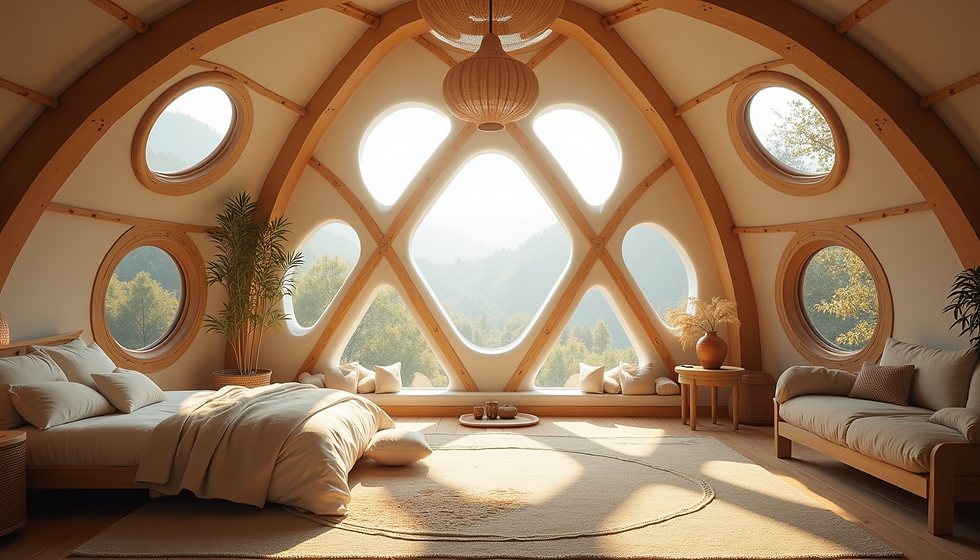
Abundant natural light: The dome’s curved surface allows for large windows or transparent panels, flooding interiors with daylight.
Connection to the outdoors: Domes can be placed in natural settings, blending seamlessly with landscapes.
Spacious and open interiors: The absence of internal supports creates flexible, airy spaces ideal for plants and natural materials.
Energy efficiency: The dome shape promotes even air circulation and temperature regulation, reducing energy use.
Visual harmony: The geometric form echoes patterns found in nature, reinforcing the biophilic experience.
These qualities make geodesic domes an excellent choice for brands and venues aiming to create immersive, nature-inspired environments.
Practical Ways to Use Biophilic Design in Geodesic Domes
1. Maximize Natural Light
Install large, strategically placed windows or transparent panels on the dome’s surface. This allows sunlight to enter from multiple angles throughout the day, creating dynamic light patterns inside. Skylights or operable panels can enhance ventilation and bring fresh air.
2. Incorporate Living Walls and Indoor Gardens
Use vertical gardens or living walls to add greenery without sacrificing floor space. Indoor gardens with native plants or herbs can create sensory experiences through sight, smell, and touch. Consider integrating planters into seating areas or pathways.
3. Use Natural Materials and Textures
Choose wood, stone, bamboo, or cork for flooring, furniture, and finishes. These materials add warmth and tactile interest. Textured fabrics and natural fibers for cushions and curtains complement the organic feel.
4. Add Water Features
Small indoor fountains or water walls introduce soothing sounds and humidity. Water elements also attract attention and create focal points within the dome.
5. Design Organic Shapes and Patterns
Furniture and decor with curved lines and natural motifs echo the dome’s geometry. Avoid sharp angles and rigid forms to maintain a harmonious atmosphere.
6. Create Multi-Sensory Experiences
Combine visual elements with natural scents (like essential oils or fresh flowers) and soft natural sounds (birdsong, rustling leaves). This holistic approach deepens the connection to nature.
Examples of Biophilic Geodesic Dome Spaces
Boutique Hotel Retreat
A boutique hotel installed geodesic domes as private guest suites surrounded by forest. Each dome features floor-to-ceiling windows, a living wall near the seating area, and natural wood interiors. Guests report feeling more relaxed and connected to the environment, enhancing their overall stay.
Wellness Center Meditation Pods
A wellness center uses geodesic domes as meditation pods with indoor gardens and water fountains. The domes’ shape allows natural light to fill the space, while plants and water sounds create a calming atmosphere. This setup supports mindfulness and stress reduction.
Brand Pop-Up Experience
A lifestyle brand created a pop-up shop inside a geodesic dome with biophilic design elements. The dome’s transparent panels showcased the surrounding park, while indoor plants and wooden displays reinforced the brand’s eco-friendly message. Visitors stayed longer and engaged more deeply with the products.
Benefits for Brands and Venues
Stronger emotional connection: Nature-inspired spaces evoke positive feelings that translate into brand loyalty.
Increased dwell time: Comfortable, inviting environments encourage visitors to stay longer.
Enhanced well-being: Biophilic design supports mental and physical health, improving guest satisfaction.
Sustainability appeal: Using natural materials and energy-efficient domes aligns with eco-conscious values.
Unique identity: Geodesic domes stand out architecturally, making your space memorable.
Getting Started with Your Biophilic Dome Project
Assess your site: Choose a location with natural surroundings or good sunlight exposure.
Define your goals: Identify the experience you want to create and the emotions you want to evoke.
Work with experts: Collaborate with designers familiar with biophilic principles and dome construction.
Select appropriate plants and materials: Use species suited to your climate and maintenance capacity.
Plan for comfort: Include seating, lighting, and climate control that complement the natural elements.
Test and adapt: Gather feedback from users and refine the space to maximize impact.
Creating spaces that bring people closer to nature is a powerful way to elevate brand experiences and foster well-being. Geodesic domes offer a versatile and striking framework to apply biophilic design principles, resulting in environments that inspire, relax, and connect. Whether you aim to enhance a hotel, restaurant, wellness center, or brand activation, embracing biophilic design within these unique structures can transform your space into a destination that truly resonates.


Comments